
Updated on Jun 17, 2026
Author: Dr. Morgan Reimer
Revised for Inspire Chiropractic by Davis Madole, Reviewed by Dr. Shah Khan DC, CACCP
A transition is any moment when a child has to stop one activity and move to another–leaving for school, turning off a screen, starting bedtime, or moving from playtime to homework.
For many kids, these everyday changes can trigger whining, resistance, tears, or full meltdowns.
The reason isn’t always a behavior problem. Often, it’s a nervous system struggling to adapt.
When a child’s nervous system feels safe and regulated, they can shift gears more easily. When it’s overwhelmed, even small changes can feel like a major challenge.
If getting out the door in the morning feels like a daily battle, you’re not alone. Transitions are one of the most common struggles parents face, especially for children with ADHD, anxiety, or Sensory Processing Disorder.
The key is understanding what is happening beneath the behavior.
Why Are Transitions So Hard for Kids?
Transitions are challenging because the brain has to do several things at once:
- Stop focusing on the current activity
- Process what is coming next
- Adjust emotions and expectations
- Shift attention and energy
These skills are called executive functions, and they continue developing throughout childhood.
For some children, especially those with ADHD, anxiety, or sensory challenges, this flexibility is harder because their nervous system is already working overtime.
A simple request like, “Time to put your shoes on,” may feel much bigger than it sounds because the brain is being asked to handle one more change when it already feels overloaded.
What Does Trouble With Transitions Look Like?
Transition struggles are not simply a child being difficult or refusing to listen. They are often signs that a child is having trouble regulating during moments of change.
Common signs include:
- Meltdowns, tantrums, or tears when stopping an activity
- Ignoring requests or seeming like they “don’t hear”
- Stalling before leaving or starting something new
- Anxiety before a transition happens
- Physical complaints like stomachaches or headaches
- Needing routines to happen in a very specific way
- Difficulty calming down after switching activities
- Big reactions to small changes
When these struggles happen consistently across different settings, it may be a sign that the nervous system is having difficulty adapting.
How Does the Nervous System Affect Transitions?
Transitions require the nervous system to shift from one state to another.
A healthy nervous system can move between alertness and calm. It knows when to be focused and when to relax.
Think of the Autonomic Nervous System like a car:
- The sympathetic nervous system is the gas pedal–responsible for action, alertness, and fight-or-flight.
- The parasympathetic nervous system is the brake pedal–responsible for calm, digestion, healing, and regulation.
A well-regulated child can smoothly move between these states.
But when the nervous system becomes stuck in a stress response, the gas pedal stays pressed down. The child may struggle to slow down, calm themselves, or adapt to change.
This imbalance is called dysregulation, and it can affect sleep, digestion, focus, emotions, and a child’s ability to handle transitions.
Why Do Kids With ADHD, Anxiety, and SPD Struggle More With Change?
Children with ADHD, anxiety, and Sensory Processing Disorder often struggle with transitions because their nervous systems have a harder time adapting to change.
A child with ADHD may become deeply focused on an activity and struggle to shift away.
A child with anxiety may worry about what is coming next before the transition even begins.
A child with Sensory Processing Disorder may already feel overwhelmed by sounds, lights, textures, or other sensations, making one more change feel impossible.
In each situation, the nervous system is responding as if the change is a threat.
This is why behavior charts and consequences often do not solve the problem. You cannot discipline a child into having better nervous system regulation.
The behavior is the signal. The nervous system is the source.
What Causes Nervous System Dysregulation in Children?
At Inspire Chiropractic, we often explain nervous system stress through the concept of the “Perfect Storm.”
This framework describes how multiple stressors can build over time:
- Prenatal stress
- Birth interventions or trauma
- Early childhood stressors
During pregnancy, a mother’s stress levels can influence the developing nervous system of her baby.
During birth, experiences like C-sections, forceps, vacuum extraction, induction, or prolonged labor can place stress on a baby’s developing nervous system.
Then childhood adds additional stressors such as illness, antibiotics, ear infections, falls, overstimulation, and daily environmental stress.
Any one event may not create a problem by itself. But when stress accumulates during critical periods of development, the nervous system may become stuck in a state of constant alert.
This can affect the brain-body communication needed for regulation.
How Can You Help a Child With Transitions at Home?
The goal is not to eliminate transitions. Change is part of life.
The goal is to help your child’s nervous system feel prepared and supported.
Give Warnings and Countdown
Help your child prepare for what is coming.
Try:
“Ten more minutes until cleanup.”
“Five more minutes, then we leave.”
This gives the brain time to adjust instead of feeling surprised.
Create Predictable Routines
Consistency creates safety.
Morning routines, bedtime routines, and visual schedules help children know what comes next and reduce uncertainty.
Add Movement
Movement can help release stress and prepare the nervous system for change.
Try:
- Jumping
- Stretching
- Walking to the car
- Carrying something helpful
Prioritize Sleep and Activity
Quality sleep supports emotional regulation, focus, and resilience.
Daily movement also helps children regulate attention and stress.
Stay Regulated Yourself
Children often co-regulate with the adults around them.
When you stay calm during a difficult transition, your nervous system helps support theirs.
These strategies can make a big difference. But if your child continues struggling despite consistent support, deeper nervous system support may be needed.
How Does Neurologically-Focused Chiropractic Care Help With Transitions?
Neurologically-Focused Chiropractic Care focuses on addressing nervous system dysregulation rather than simply managing behavior.
The goal is to support better communication between the brain and body, helping the nervous system move out of a constant stress response and back toward regulation.
Through gentle, specific adjustments, care focuses on reducing nervous system interference and supporting the body’s ability to shift between stress and calm.
Many parents notice improvements such as:
- Easier mornings
- Smoother bedtimes
- Fewer meltdowns
- Better sleep
- More flexibility with change
These changes happen because the child has greater neurological capacity to handle everyday challenges.
How INSiGHT Scans Measure Nervous System Function
Before beginning care, Inspire uses INSiGHT Scans to better understand how a child’s nervous system is functioning.
These scans measure:
Heart Rate Variability (HRV)
Evaluates Autonomic Nervous System balance and adaptability.
Surface EMG (sEMG)
Measures muscle tension patterns connected to nervous system stress.
Thermal Scanning
Measures temperature patterns along the spine related to Autonomic Nervous System function.
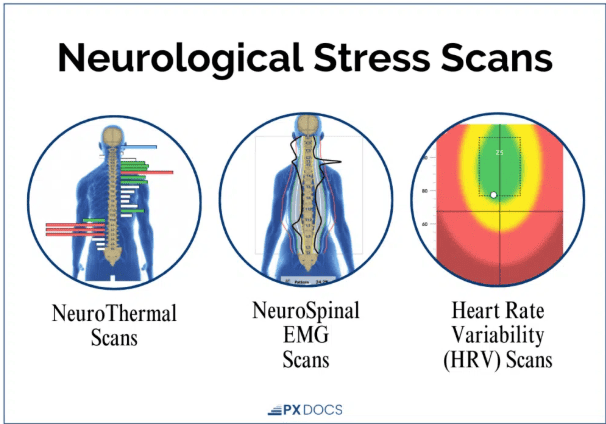
Together, these measurements provide insight into whether the nervous system is balanced, stressed, or struggling to regulate.
INSiGHT Scans are not a treatment or a diagnosis tool. They simply provide objective information to help create a more personalized care plan.
When Should You Seek Professional Help for Transition Struggles?
Some difficulty with transitions is normal.
However, it may be worth seeking additional support when struggles are:
- Frequent
- Intense
- Affecting school, home, or family life
- Happening alongside sleep issues, anxiety, digestive concerns, or sensory challenges
A child who consistently struggles with change may be showing signs that their nervous system needs additional support.
A Calmer Path Through Change
Smoother transitions do not come from stricter rules or better reward charts alone.
They come from helping a child’s nervous system feel safe, regulated, and capable of adapting.
Start with simple strategies:
- Predictable routines
- Countdown warnings
- Movement
- Healthy sleep habits
- Calm support from caregivers
And if your child continues struggling despite your best efforts, it may be time to look deeper at nervous system function.
Understanding what is happening beneath the behavior can help your child move through change with more confidence, less stress, and greater ease.
Frequently Asked Questions
Why does my child melt down during transitions?
Transitions require focus, flexibility, and emotional regulation. When a child’s nervous system is already overwhelmed, even small changes can trigger a stress response that looks like a meltdown.
Are transition difficulties a sign of a bigger problem?
Occasional struggles are normal. However, frequent and intense transition challenges may point to nervous system dysregulation, especially when combined with sleep issues, anxiety, digestive problems, or sensory challenges.
How can I make morning transitions easier?
Create predictable routines, use countdowns, add movement, and prepare your child for what comes next. Removing uncertainty helps the nervous system feel safer.
Can chiropractic care help children who struggle with transitions?
Neurologically-Focused Chiropractic Care focuses on supporting nervous system regulation and improving brain-body communication. Many families report improvements in areas like sleep, flexibility, and emotional regulation.
Is chiropractic care safe for children?
Pediatric chiropractic care uses gentle, child-specific techniques designed for developing bodies. As with any healthcare decision, parents should discuss their child’s individual needs with a qualified provider.
What’s the difference between a behavior problem and a nervous system problem?
A behavior problem assumes a child can simply choose to respond differently. A nervous system challenge means the child’s ability to regulate is overwhelmed. Understanding the difference changes how we support the child.
Request an appointment with us today to get started!
Not local to Inspire? Don’t worry! Visit the PX Docs Directory to find a qualified provider near you. https://pxdocs.com/px-docs/
Original Article: https://pxdocs.com/natural-remedies/smoother-transitions/
PX Docs has established sourcing guidelines and relies on relevant, and credible sources for the data, facts, and expert insights and analysis we reference. You can learn more about our mission, ethics, and how we cite sources in our editorial policy.
SOURCES
- Blair C. (2016). Executive function and early childhood education. Current opinion in behavioral sciences, 10, 102–107. https://doi.org/10.1016/j.cobeha.2016.05.009
- Schreiber, J. E., Possin, K. L., Girard, J. M., & Rey-Casserly, C. (2014). Executive function in children with attention deficit/hyperactivity disorder: the NIH EXAMINER battery. Journal of the International Neuropsychological Society : JINS, 20(1), 41–51. https://doi.org/10.1017/S1355617713001100
- Buttelmann, F., & Karbach, J. (2017). Development and Plasticity of Cognitive Flexibility in Early and Middle Childhood. Frontiers in psychology, 8, 1040. https://doi.org/10.3389/fpsyg.2017.01040
- Danielson, M. L., Claussen, A. H., Bitsko, R. H., Katz, S. M., Newsome, K., Blumberg, S. J., Kogan, M. D., & Ghandour, R. (2024). ADHD Prevalence Among U.S. Children and Adolescents in 2022: Diagnosis, Severity, Co-Occurring Disorders, and Treatment. Journal of clinical child and adolescent psychology : the official journal for the Society of Clinical Child and Adolescent Psychology, American Psychological Association, Division 53, 53(3), 343–360. https://doi.org/10.1080/15374416.2024.2335625
- Centers for Disease Control and Prevention. (2024). Data and Statistics on ADHD. https://www.cdc.gov/adhd/data/index.html
- OHSU. (2020). Stress and the Placenta. Why our social environment matters. Journal: Obstetrics and Gynecology Clinics of North America. https://www.ohsu.edu/school-of-medicine/moore-institute/stress-and-placenta
- Li, D., Li, L., Zang, W., Wang, D., Miao, C., Li, C., Zhou, L., & Yan, J. (2023). Effect of physical activity on attention in school-age children with ADHD: a systematic review and meta-analysis of randomized controlled trials. Frontiers in physiology, 14, 1189443. https://doi.org/10.3389/fphys.2023.1189443