
Updated on Oct 15, 2026
Author: Dr. Tony Ebel, DC, CPPFC, CCWP
Revised for Inspire Chiropractic by Davis Madole, Reviewed by Dr. Shah Khan DC, CACCP
For many parents, raising an autistic child comes with moments of incredible joy, unique perspectives, and meaningful connection — alongside challenges that can sometimes feel overwhelming.
Sensory overload, communication differences, difficulties with sleep, digestive concerns, and emotional regulation struggles can affect daily family life. When you’re trying to understand what your child needs, it’s natural to have questions about their development and how you can best support them.
If you’ve been searching for answers, you deserve information that respects your child’s individuality, validates your experience as a parent, and gives you practical ways to move forward.
Autism is a complex neurodevelopmental condition that affects how people experience the world, communicate, process sensory information, and interact with others. There is no single explanation for every autistic person’s experiences, and there is no one-size-fits-all approach to support.
At Inspire Chiropractic, we take an interest in the relationship between the nervous system and overall function. In this article, we’ll explore what research tells us about autism and the brain, how sensory and autonomic processes fit into the broader picture, and how families can pursue supportive care while keeping their child’s individual needs at the center.
Understanding Autism Beyond a Diagnosis
Autism spectrum disorder (ASD) is a neurodevelopmental condition associated with differences in social communication and interaction, as well as restricted or repetitive behaviors, interests, or activities. Many autistic people also experience differences in sensory processing, sleep, movement, or digestion.
The word spectrum is important. Autism presents differently from one person to another. Some autistic children communicate primarily through speech, while others use gestures, communication devices, or other forms of communication. Some need substantial daily support, while others need less assistance in particular areas.
The Centers for Disease Control and Prevention (CDC) reported that approximately 1 in 31 eight-year-old children identified with autism in its 2022 surveillance data. This figure comes from specific monitoring sites and should not be interpreted as a universal estimate for every age group or population.
Although autism identification has increased over time, changes in awareness, screening, diagnostic practices, and access to services can all affect reported rates.
Most importantly, autism is not a result of poor parenting, and it is not something a child needs to be “fixed” for being who they are. The goal of support should be to promote well-being, communication, autonomy, participation, and quality of life while respecting each child’s strengths and needs.
What Do We Know About the Brain in Autism?
Research has found differences in brain development, connectivity, and information processing among autistic people. These findings help researchers better understand autism, but they do not point to one universal brain pattern or a single cause.
Brain Development and Connectivity
The brain develops through a complex process involving genetics, cellular signaling, sensory experiences, and interactions with the environment. In autism, studies have identified differences in some aspects of brain structure and connectivity, although findings vary considerably between individuals and studies.
Researchers have investigated areas involved in language, attention, sensory processing, motor coordination, learning, and social communication. These differences may help explain some autistic people’s experiences, but no single brain scan or measurement can diagnose autism on its own.
The Brain and Body Communicate Constantly
The brain does not function in isolation. It receives information from the senses, muscles, joints, internal organs, and other parts of the body. This ongoing communication helps coordinate movement, attention, bodily functions, and responses to the environment.
The nervous system also plays a role in regulating involuntary processes such as heart rate, digestion, and aspects of the stress response.
For some autistic children, sensory input can feel unusually intense, unpredictable, or difficult to filter. A crowded room, a loud hand dryer, a clothing seam, or an unexpected transition may create genuine distress.
Understanding these experiences can help parents and caregivers make practical adjustments that support comfort and participation.
However, differences in sensory processing or autonomic function do not establish that a child has a damaged nervous system, nor do they demonstrate that one underlying dysfunction causes autism.
The Nervous System, Sensory Processing, and Emotional Regulation
One of the most useful ways to understand a child’s day-to-day experiences is to consider how sensory input, emotional responses, and environmental demands interact.
Sensory Processing and Overload
Some autistic children are especially sensitive to sounds, lights, textures, smells, or movement. Others seek additional sensory input, such as rocking, jumping, spinning, or applying pressure to their bodies.
These responses can serve different purposes for different children. Repetitive movements, for example, may help a child manage sensory input, express excitement, or cope with stress.
When the environment becomes overwhelming, a child may cover their ears, withdraw, become distressed, or experience a meltdown. These responses are not necessarily deliberate misbehavior.
Helpful strategies may include:
- Reducing unnecessary noise, bright lights, or other overwhelming stimuli.
- Preparing your child for transitions with visual schedules or advance warnings.
- Providing access to a quieter space when they need a break.
- Respecting communication attempts, including gestures and augmentative communication.
- Working with an occupational therapist when sensory differences interfere with daily activities.
The goal is not to eliminate harmless autistic behaviors simply because they look different. It is to understand what your child is communicating and help them feel safe and supported.
The Autonomic Nervous System and Stress
The autonomic nervous system helps regulate functions such as heart rate, breathing, digestion, and aspects of the body’s response to stress.
Some studies have reported differences in autonomic measures among autistic individuals, but findings vary, and these measurements are not diagnostic of autism. They also do not establish that autonomic dysfunction is the underlying cause of the condition.
Still, understanding stress responses can be helpful when supporting a child who becomes overwhelmed easily.
A child who is exhausted, uncomfortable, overstimulated, or struggling to communicate may have less capacity to cope with additional demands. Predictable routines, adequate rest, sensory accommodations, and supportive relationships can help reduce unnecessary stress.
When a child struggles to regulate their emotions, the most helpful first question may be, “What is making this difficult for them right now?” rather than, “How do I make this behavior stop?”
What About the Vagus Nerve and Gut-Brain Connection?
The vagus nerve is an important part of the communication pathways between the brain and several internal organs. It contributes to functions that include digestion, heart-rate regulation, and other involuntary processes.
Researchers are also studying the gut-brain connection, including interactions among the digestive system, immune signaling, the gut microbiome, and the nervous system.
These are active areas of scientific research. However, the findings are complex, and they do not establish that vagus nerve dysfunction or gut problems cause autism.
Supporting Digestive Health
Some autistic children experience constipation, diarrhea, abdominal discomfort, food selectivity, or other gastrointestinal concerns. These symptoms should not automatically be attributed to autism or nervous system dysregulation.
If your child has persistent digestive symptoms, speak with their pediatrician about appropriate evaluation and treatment. A registered dietitian with pediatric experience may also help when food selectivity or nutritional concerns make mealtimes difficult.
Practical steps can include maintaining predictable meal routines, offering appropriate foods without pressure, encouraging fluids as recommended, and tracking symptoms to identify patterns worth discussing with your child’s healthcare team.
Addressing pain, constipation, sleep difficulties, or other health concerns can make a meaningful difference in a child’s comfort and daily functioning, even when those concerns are separate from autism itself.
Understanding the “Perfect Storm” Concept
Families sometimes encounter the term Perfect Storm when researching autism and nervous system health. In some chiropractic settings, this phrase describes a proposed combination of prenatal, birth-related, environmental, and postnatal stressors that may affect a child’s development.
It is important to distinguish this clinical framework from an established scientific explanation of autism.
Autism is associated with complex genetic and developmental factors. Researchers continue to investigate how certain prenatal and perinatal factors may influence the likelihood of autism or other developmental outcomes. But no single birth experience, pregnancy stressor, or environmental exposure explains every autistic child’s development.
For example, a C-section, induction, forceps-assisted delivery, or vacuum-assisted delivery does not automatically mean a baby sustained neurological injury. These interventions may be medically necessary and can protect the health of a parent or baby.
Similarly, early feeding difficulties, reflux, sleep disruption, or sensory sensitivities can occur for many reasons. They are not reliable predictors of autism on their own.
A child’s birth history and early development may be relevant parts of their overall medical history, but they should be considered alongside the full clinical picture rather than treated as proof of a particular cause.
The Importance of Early, Individualized Support
There is no single treatment that is appropriate for every autistic child. Support should reflect the child’s communication style, sensory preferences, health needs, developmental profile, and family priorities.
Depending on the individual, helpful services may include:
- Speech-language therapy: Supporting communication, language development, and social communication when those are goals for the child.
- Occupational therapy: Helping with daily living skills, participation, and sensory or motor challenges.
- Developmental and educational support: Providing individualized learning strategies and accommodations.
- Behavioral support: Using respectful, individualized approaches that promote useful skills, communication, and safety.
- Medical care: Evaluating concerns such as seizures, gastrointestinal symptoms, sleep difficulties, anxiety, or other co-occurring conditions.
- Family and caregiver support: Helping parents access resources, build confidence, and navigate the demands of caregiving.
Early support can help children develop skills and access resources, but it is never too late to seek appropriate services.
It is also important to remember that support does not need to focus on making a child appear less autistic. The priorities should be the child’s well-being, ability to communicate, comfort, independence where possible, and meaningful participation in daily life.
Our Approach at Inspire Chiropractic
At Inspire Chiropractic, we recognize that parents want to understand their child’s health as a whole. Our approach includes an interest in how the nervous system relates to movement, physiological function, and overall well-being.
We also believe families deserve honest information about what chiropractic care can and cannot do.
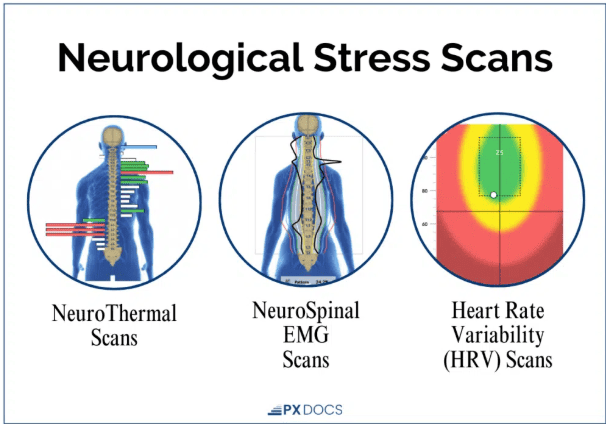
What Are INSiGHT Scans?
Our office offers INSiGHT scans, which may include:
- Surface electromyography (sEMG): Measures electrical activity associated with muscles along the spine.
- Thermal scanning: Measures skin-temperature patterns along the spine.
- Heart rate variability (HRV) assessment: Evaluates variation in the time between consecutive heartbeats, which can provide information about aspects of autonomic regulation.
These tools measure different physiological signals. They do not directly measure all brain activity, diagnose autism, identify a proven root cause of autism, or establish that spinal misalignment is responsible for developmental differences.
Results must be interpreted within their limitations and alongside the individual’s broader health history. They should not replace developmental assessments, neurological testing, or other indicated medical evaluations.
Where Does Chiropractic Care Fit?
Some families explore chiropractic care as an additional service for general musculoskeletal concerns or other appropriate goals. If you’re considering it for your child, ask the provider to explain the purpose of the proposed care, the evidence supporting it, the potential risks, and how progress will be assessed.
At present, there is insufficient high-quality evidence to establish chiropractic adjustments as a treatment for autism or to show that they reliably improve autism’s core characteristics by correcting subluxation, changing brain connectivity, or restoring vagus nerve function.
Chiropractic care should not replace speech-language therapy, occupational therapy, developmental services, or medical care for co-occurring health concerns.
At Inspire Chiropractic, our goal is to have thoughtful conversations with families, explain the scope and limitations of our services, and encourage coordination with the professionals already supporting their child.
Empowering Parents: Practical Ways to Support Your Child
When you’re managing appointments, school needs, sensory challenges, and the emotional weight of caregiving, it can be difficult to know where to begin.
You do not have to solve everything at once. Small, individualized changes can make everyday life more manageable.
Start by observing patterns. Notice what happens before your child becomes overwhelmed. Is the environment noisy? Has a routine changed? Could hunger, fatigue, pain, or communication frustration be contributing?
Make communication accessible. Some children benefit from visual supports, gestures, communication boards, or speech-generating devices. Communication does not have to look one particular way to be meaningful.
Build predictable routines. Visual schedules, transition warnings, and consistent expectations can help some children understand what comes next.
Respect sensory needs. Allow appropriate movement, offer breaks, and reduce avoidable sensory stressors. If your child uses repetitive movements that are safe and helpful, there may be no need to discourage them.
Address health concerns directly. Persistent sleep problems, digestive symptoms, pain, or significant changes in behavior deserve appropriate evaluation rather than being automatically attributed to autism.
Remember the parent behind the plan. Caregiving can be emotionally and physically demanding. Asking for help, sharing responsibilities, connecting with other families, or speaking with a counselor can be important parts of supporting your household.
Your child’s progress may not follow a straight line, and comparison with other children rarely tells the full story. What matters is finding supports that respect your child’s needs and make a positive difference in their everyday life.
Frequently Asked Questions
Is autism caused by nervous system dysfunction?
Autism is a complex neurodevelopmental condition involving genetic and developmental factors. Differences in nervous system function are an important area of research, but current evidence does not establish one general nervous system dysfunction as the cause of autism.
Can birth trauma cause autism?
Certain significant prenatal or perinatal complications may be associated with developmental risks, but a difficult birth or a medical intervention does not prove that a child sustained an injury or that the event caused autism. Individual circumstances should be evaluated by qualified healthcare professionals.
Does the vagus nerve play a role in autism?
The vagus nerve contributes to autonomic regulation and communication between the brain and internal organs. Researchers continue to study autonomic function in autistic people, but vagus nerve dysfunction is not an established universal cause of autism.
Can chiropractic care help my autistic child?
Chiropractic care is not an established treatment for autism, and there is insufficient high-quality evidence that adjustments improve autism’s core characteristics. If considering chiropractic for another appropriate concern, discuss your child’s needs and any potential risks with qualified healthcare professionals, and do not replace established developmental or medical support.
What should I do if my child has sensory overload or meltdowns?
Focus first on safety and reducing the demands or sensory input that may be contributing to distress. Use calm, clear communication, allow recovery time, and look for patterns. If episodes are frequent, dangerous, or represent a significant change from your child’s usual behavior, discuss them with their healthcare team.
You and Your Child Deserve Support
An autism diagnosis does not define the entirety of your child’s future. Your child has their own strengths, interests, communication style, and way of experiencing the world.
There may be difficult days, unexpected breakthroughs, and periods when your family needs more support. Through it all, you deserve compassionate guidance and information that helps you make decisions with confidence.
At Inspire Chiropractic, we welcome conversations about your family’s concerns and can explain how our services fit within their appropriate scope. We encourage parents to build a supportive team of qualified professionals who understand their child as an individual.
Your child does not need to become someone else to deserve the opportunity to thrive. They deserve to be understood, supported, and given the tools to participate in life in ways that work for them.
Not local to Inspire? Don’t worry! Visit the PX Docs Directory to find a qualified provider near you. https://pxdocs.com/px-docs/
Original Article: https://pxdocs.com/autism/autism-and-the-brain/
PX Docs has established sourcing guidelines and relies on relevant, and credible sources for the data, facts, and expert insights and analysis we reference. You can learn more about our mission, ethics, and how we cite sources in our editorial policy.
SOURCES
- CDC Data and Statistics on Autism Spectrum Disorder Centers for Disease Control and Prevention. (n.d.). Data and statistics on autism spectrum disorder. https://www.cdc.gov/autism/data-research/index.html
- National Center for Biotechnology Information – Morphological and Functional Changes of Cerebral Cortex in Autism Spectrum Disorder Ong, L. T., & Fan, S. W. D. (2024). Morphological and functional changes of cerebral cortex in autism spectrum disorder. Frontiers in Molecular Neuroscience, 17, 1331759. https://www.ncbi.nlm.nih.gov/pmc/articles/PMC10773605/
- Yale Medicine – Key Brain Difference Linked to Autism Yale School of Medicine. (2024, October 4). A key brain difference linked to autism is found for the first time in living people. https://medicine.yale.edu/news-article/a-key-brain-difference-linked-to-autism-is-found-for-the-first-time-in-living-people/
- National Center for Biotechnology Information – The Implications of Brain Connectivity in the Neuropsychology of Autism Kana, R. K., Libero, L. E., & Moore, M. S. (2011). The implications of brain connectivity in the neuropsychology of autism. Neuropsychology Review, 21(3), 234-253. https://www.ncbi.nlm.nih.gov/pmc/articles/PMC4059500/
- National Center for Biotechnology Information – The Neurochemistry of Autism Frye, R. E., Cakir, J., Rose, S., Delhey, L., Bennuri, S. C., Tippett, M., Palmer, R. F., Austin, C., & Curtin, P. (2019). The neurochemistry of autism. Brain Sciences, 10(3), 163. https://www.ncbi.nlm.nih.gov/pmc/articles/PMC7139720/
- National Center for Biotechnology Information – Local Brain Connectivity Across Development in Autism Spectrum Disorder Dajani, D. R., & Uddin, L. Q. (2015). Local brain connectivity across development in autism spectrum disorder: A cross-sectional investigation. Autism Research, 9(1), 43-54. https://www.ncbi.nlm.nih.gov/pmc/articles/PMC4673031/
- ScienceDirect Article – S1750946724000394 Maternal preconception and prenatal stressful life events in association with child neurodevelopmental outcome in MARBLES: A high familial likelihood cohort (2024) https://www.sciencedirect.com/science/article/pii/S1750946724000394.
- National Center for Biotechnology Information Chiropractic management of breast-feeding difficulties: a case report (2023) https://pmc.ncbi.nlm.nih.gov/articles/PMC3259991/
- National Center for Biotechnology Information Gut dysmotility in children with neurological impairment: the nutritional management https://pmc.ncbi.nlm.nih.gov/articles/PMC10196023/. (2024)
- Polyvagal Institute – What Is Polyvagal Theory? Polyvagal Institute. (n.d.). What is polyvagal theory? https://www.polyvagalinstitute.org/whatispolyvagaltheory
- National Center for Biotechnology Information – Cerebro-cerebellar Circuits in Autism Spectrum Disorder Stoodley, C. J. (2016). Cerebro-cerebellar circuits in autism spectrum disorder. Frontiers in Neuroscience, 9, 408. https://www.ncbi.nlm.nih.gov/pmc/articles/PMC4633503/