
Updated on Dec 18, 2025
Author: Dr. Tony Ebel, DC, CPPFC, CCWP
Revised for Inspire Chiropractic by Davis Madole, Reviewed by Dr. Shaheryar Khan DC, CACCP
One of the most important decisions you’ll make as a parent is choosing the right doctor for your child. With chronic health challenges becoming more common in kids, it’s essential to have a provider who listens, looks deeper, and works with you—not one who rushes visits or relies only on medication.
Today, parents don’t have to settle for one-size-fits-all care. You can choose a doctor who values natural, drug-free solutions, seeks the root cause of health challenges, and creates a plan based on your child’s unique needs.
As you begin a new year, it’s a great time to reflect:
Is your child’s healthcare helping them truly thrive?
Here are three key traits to look for in a doctor who supports long-term, whole-child health.
The Importance of a Doctor Who Listens and Seeks Root Causes
In traditional healthcare, many parents experience a “do as you’re told” approach. Concerns are brushed aside, appointments feel rushed, and symptoms are treated without asking why they started.
A doctor who truly listens takes the time to understand your child’s full story. This includes asking about:
- Pregnancy and maternal stress
- Labor and delivery history
- Birth trauma or interventions
- Early childhood challenges like colic, reflux, or ear infections
- Antibiotic use and gut health
- Environmental and lifestyle stressors
This collection of early stressors is often called “The Perfect Storm.” It recognizes that chronic health challenges rarely come from one single cause, but from multiple factors that build over time.
When a doctor understands this bigger picture, parents feel empowered. Instead of chasing symptoms, families can focus on addressing the true underlying contributors to their child’s health challenges.
The Crucial Role of Neurology Expertise
Your child’s nervous system is the control center for their entire body. A doctor who understands neurology doesn’t just look at symptoms—they look at how well the brain and body are communicating.
A Neurologically-Focused Chiropractic approach prioritizes nervous system balance and development. This includes careful attention to motor milestones, coordination, and sensory processing—not just checking boxes on a chart.
The nervous system directly controls:
- Digestion and gut health
- Immune regulation and inflammation
- Emotional development, focus, and learning
When the nervous system is under stress or not functioning optimally, challenges can appear throughout the body.
Two common patterns a neurologically trained doctor looks for include:
Subluxation
Subluxation refers to interference in nervous system communication. This can disrupt regulation, stress response, and development. Gentle, specific chiropractic care helps reduce this interference and supports healthier nervous system function.
Dysautonomia
Dysautonomia occurs when the autonomic nervous system is imbalanced—often stuck in “fight or flight” with limited access to rest and regulation. This can show up as digestive issues, sleep problems, anxiety, or behavioral challenges.
A doctor trained in neurology is better equipped to recognize and support these patterns with personalized care.
The Benefits of a Collaborative, Team-Based Approach
No single provider has all the answers—especially for complex pediatric challenges.
The best doctors welcome collaboration with other professionals, such as:
- Physical therapists
- Occupational therapists
- Speech and language pathologists
- Holistic or integrative pediatricians
- Nutritionists
In this model, the doctor often acts as the “quarterback,” helping coordinate care and ensuring everyone is working toward the same goals.
Unfortunately, many healthcare systems work in silos. When providers don’t communicate, important connections can be missed.
A collaborative approach leads to better outcomes, especially for children with autism, ADHD, sensory processing challenges, and other neurodevelopmental concerns.
The Difference
Our network of providers is built around a Neurologically-Focused approach to pediatric care. We prioritize natural, drug-free solutions and focus on restoring nervous system balance.
One of our key tools is the INSiGHT Scan, which objectively measures nervous system function. These scans help identify patterns of subluxation and dysautonomia and guide personalized care plans for each child.
We also recognize the Perfect Storm—how birth history, stress, environment, and early experiences combine to affect long-term health.
By addressing these root contributors, providers have helped many children improve challenges related to digestion, immunity, behavior, attention, and development.
Unlocking Your Child’s Potential Through Neurologically-Focused Care
As you plan for the year ahead, we encourage you to take an active role in your child’s healthcare.
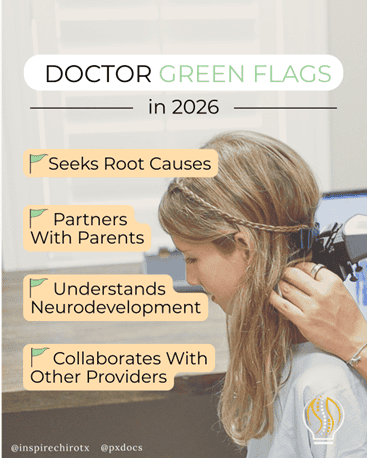
Look for a doctor who:
- Listens deeply and seeks root causes
- Understands the nervous system and development
- Values collaboration and teamwork
If you’re ready to explore a new approach, Request an appointment with us today to get started!
Not local to Inspire? Don’t worry! Visit the PX Docs Directory to find a qualified provider near you. https://pxdocs.com/px-docs/
Original Article: https://pxdocs.com/family-wellness/new-year-new-doctor/
PX Docs has established sourcing guidelines and relies on relevant, and credible sources for the data, facts, and expert insights and analysis we reference. You can learn more about our mission, ethics, and how we cite sources in our editorial policy.
SOURCES
- Epidemic Answers. (n.d.). Environmental toxicity: Why are we so sick? Epidemic Answers. https://epidemicanswers.org/about-the-epidemic/why-are-we-so-sick/environmental-toxicity/