
Updated on Apr 16, 2026
Author: Dr. Morgan Reimer
Revised for Inspire Chiropractic by Davis Madole, Reviewed by Dr. Shah Khan DC, CACCP
Artificial food dyes—especially Red Dye No. 40—are synthetic chemicals added to thousands of children’s foods and drinks. Research has linked them to increased hyperactivity, behavioral changes, and nervous system disruption in some children.
Now combine that with the sensory intensity of a Fourth of July celebration—fireworks, crowds, loud sirens, flashing lights—and you’ve got a perfect setup for what can look like an “out of nowhere” meltdown.
If your child struggles every year around the holiday, you’re not imagining it. And it’s not a parenting failure. In many cases, both food dyes and sensory overload are targeting the same system: your child’s nervous system.
What Does Red Dye Actually Do to Kids?
Red Dye No. 40 (Allura Red AC) is one of the most widely used artificial dyes in the U.S., found in candy, drinks, popsicles, yogurt, condiments, and more.
Research has raised concerns for decades:
- A landmark Lancet study found artificial food colors increased hyperactivity in children, even without an ADHD diagnosis
- The EU requires warning labels on foods with synthetic dyes due to potential effects on attention and activity
- Reviews from environmental health agencies suggest some dyes can cross the blood-brain barrier and influence neural signaling
For some children, especially those already prone to nervous system dysregulation, these additives may amplify irritability, impulsivity, and emotional reactivity.
Think of it as adding fuel to an already overactive system.
Why Fireworks and Crowds Trigger Meltdowns
Fireworks aren’t just “loud and bright”—they’re neurologically overwhelming:
- Sudden 150+ decibel explosions
- Flashing lights and smoke
- Dense crowds and unpredictable movement
- Heat, disruption, and broken routines
For a regulated nervous system, this is exciting. For a dysregulated one, it can be too much to process.
When the brain can’t filter sensory input effectively, it shifts into survival mode:
- Fight (meltdown, aggression)
- Flight (escape, panic)
- Freeze (shutdown, withdrawal)
That’s why the meltdown often isn’t about the fireworks themselves—it’s about a nervous system already at capacity before the event even begins.
How Food Dyes and Sensory Overload Connect
These aren’t separate issues—they converge on the same system: the Autonomic Nervous System.
The vagus nerve plays a key role in calming the body, regulating digestion, and helping the brain recover from stress. When it’s not functioning optimally, regulation becomes harder across the board.
Artificial dyes can:
- Disrupt gut health and microbiome balance
- Increase inflammation in sensitive children
- Influence gut-brain signaling through the vagus nerve
Sensory overload does the opposite:
- Floods the brain with unfiltered input
- Pushes the system deeper into fight-or-flight
- Reduces recovery capacity after the event
When both happen together—dye-heavy foods plus sensory chaos—you often see a delayed crash: meltdowns, sleep disruption, emotional dysregulation, and behavioral changes for days afterward.
What Is the “Perfect Storm” Behind This?
At Inspire, we often describe a developmental pattern called the “Perfect Storm”—a buildup of stressors that impact nervous system regulation early in life.
These can include:
- Prenatal stress
- Birth interventions (forceps, vacuum, C-section, induction)
- Early antibiotics, ear infections, reflux, or colic
- Environmental toxins and chronic overstimulation
Over time, these factors can contribute to subluxation and dysautonomia—patterns of neurological stress that shift the nervous system toward chronic “gas pedal on” mode and reduce the effectiveness of the parasympathetic “brake.”
In that state, a child has fewer reserves to handle chemical or sensory stressors.
So the issue isn’t just fireworks or food dyes—it’s capacity.
How Can Parents Reduce the Load on July 4th?
You don’t have to avoid celebrations entirely, but a few adjustments can make a big difference:
Reduce food dye exposure
- Check labels for Red 40, Yellow 5, Yellow 6, Blue 1
- Bring dye-free snacks and drinks
- Choose natural alternatives (fruit, beet, turmeric-based coloring)
Support sensory regulation
- Use noise-canceling headphones or ear protection
- Prepare your child ahead of time for what they’ll experience
- Build in “quiet breaks” away from crowds
Protect recovery
- Keep sleep as consistent as possible
- Avoid stacking sugar + overstimulation all day
- Plan downtime after the event, not just during it
These steps help—but they don’t change the underlying sensitivity if the nervous system is already overwhelmed.
Can Neurologically-Focused Chiropractic Care Help?
At Inspire, we approach this differently by asking: why is the nervous system reacting so strongly in the first place?
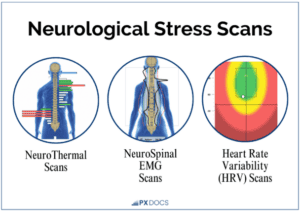
Through INSiGHT scans (HRV, sEMG, and thermal analysis), we can assess how the nervous system is functioning and where stress patterns may be showing up.
This technology does not diagnose or treat conditions, including ADHD or sensory processing disorders. Instead, it helps identify patterns of nervous system dysregulation so care can be tailored to support better regulation over time.
As nervous system balance improves, many families report changes such as:
- Better sleep and recovery after events
- Improved emotional regulation
- Less intensity in reactions to sensory input
- More flexibility in social and environmental settings
In other words, the goal isn’t just avoiding triggers—it’s improving capacity.
What Parents Can Do Right Now
Start simple:
- Notice patterns: Do dyes or sensory-heavy days consistently lead to behavior shifts?
- Reduce the biggest triggers first (brightly colored processed foods, sugary drinks)
- Watch your child’s recovery after high-stimulation days
And if you’re seeing consistent patterns across food, behavior, sleep, and sensory challenges, it may be worth looking deeper at nervous system regulation as a whole.
Frequently Asked Questions
Do food dyes really affect behavior?
Some studies show artificial dyes like Red 40 may increase hyperactivity and inattention in certain children, especially those who are more sensitive neurologically.
Why do fireworks trigger meltdowns?
They overwhelm sensory processing systems with sudden, intense input that can push a dysregulated nervous system into fight-or-flight.
Are reactions to food dyes and fireworks related?
Yes. Both affect the autonomic nervous system—one chemically through gut-brain pathways, the other through sensory overload.
Can kids outgrow these sensitivities?
Some do, especially as nervous system regulation improves. Others continue to struggle unless underlying dysregulation is addressed.
Request an appointment with us today to get started!
Not local to Inspire? Don’t worry! Visit the PX Docs Directory to find a qualified provider near you. https://pxdocs.com/px-docs/
Original Article: https://pxdocs.com/sensory/red-dye-fireworks-and-sensory-overload/
PX Docs has established sourcing guidelines and relies on relevant, and credible sources for the data, facts, and expert insights and analysis we reference. You can learn more about our mission, ethics, and how we cite sources in our editorial policy.
SOURCES
- Arnold, L. E., Lofthouse, N., & Hurt, E. (2012). Artificial food colors and attention-deficit/hyperactivity symptoms: Conclusions to dye for. Neurotherapeutics, 9(3), 599–609. https://doi.org/10.1007/s13311-012-0133-x
- McCann, D., Barrett, A., Cooper, A., Crumpler, D., Dalen, L., Grimshaw, K., Kitchin, E., Lok, K., Porteous, L., Prince, E., Sonuga-Barke, E., Warner, J. O., & Stevenson, J. (2007). Food additives and hyperactive behaviour in 3-year-old and 8/9-year-old children in the community: A randomised, double-blinded, placebo-controlled trial. The Lancet, 370(9598), 1560–1567. https://doi.org/10.1016/S0140-6736(07)61306-3
- U.S. Food and Drug Administration. (2025). FDA takes new approach to “no artificial colors” claims. https://www.fda.gov/news-events/press-announcements/fda-takes-new-approach-no-artificial-colors-claims
- California Office of Environmental Health Hazard Assessment. (2021). Food dyes health effects assessment. https://oehha.ca.gov/sites/default/files/media/downloads/risk-assessment/report/healthefftsassess041621.pdf
- Kwon, Y. H., Banskota, S., Wang, H., Rossi, L., Grondin, J. A., Syed, S. A., Yousefi, Y., Schertzer, J. D., Morrison, K. M., Wade, M. G., Holloway, A. C., Surette, M. G., Steinberg, G. R., & Khan, W. I. (2022). Chronic exposure to synthetic food colorant Allura Red AC promotes susceptibility to experimental colitis via intestinal serotonin in mice. Nature Communications, 13, 7617. https://doi.org/10.1038/s41467-022-35309-y
- Howland, R. H. (2014). Vagus nerve stimulation. Current Behavioral Neuroscience Reports, 1(2), 64–73. https://doi.org/10.1007/s40473-014-0010-5
- Trasande, L., Shaffer, R. M., & Sathyanarayana, S.; Council on Environmental Health. (2018). Food additives and child health. Pediatrics, 142(2), e20181410. https://doi.org/10.1542/peds.2018-1410
- University of California, Berkeley School of Public Health. (2021). New report shows artificial food coloring causes hyperactivity in some kids. https://publichealth.berkeley.edu/articles/spotlight/research/new-report-shows-artificial-food-coloring-causes-hyperactivity-in-some-kids
- U.S. Food and Drug Administration. (2025). FDA to revoke authorization for the use of Red No. 3 in food and ingested drugs. https://www.fda.gov/food/hfp-constituent-updates/fda-revoke-authorization-use-red-no-3-food-and-ingested-drugs