
Updated on May 26, 2026
Author: Dr. Tony Ebel, DC, CPPFC, CCWP
Revised for Inspire Chiropractic by Davis Madole, Reviewed by Dr. Shah Khan DC, CACCP
Did you know that 1 in 200 children in the United States may be affected by PANDAS, a complex condition that can cause sudden and dramatic changes in a child’s behavior, emotions, and physical health?
As a parent, watching your child suddenly struggle with OCD, tics, anxiety, emotional changes, sleep problems, or other neurological challenges can be incredibly frightening — especially when you don’t know why it happened.
PANDAS, or Pediatric Autoimmune Neuropsychiatric Disorders Associated with Streptococcal Infections, occurs when the immune system responds abnormally following a strep infection and may affect areas of the brain involved in movement, behavior, and emotions.
Navigating PANDAS can be overwhelming. Families often find themselves moving between pediatricians, specialists, therapists, and natural health providers while trying to understand what is actually happening.
In this article, we’ll explain what PANDAS is, what signs to look for, what may contribute to it, and why understanding the nervous system may be an important part of supporting your child’s recovery.
What is PANDAS?
PANDAS is a condition typically affecting children between ages 3 and 12 that is characterized by the sudden onset of OCD or tic symptoms following a Group A Streptococcal (GAS) infection, such as strep throat or scarlet fever.
Researchers believe that in some children, the immune response to the infection can mistakenly target healthy tissue in the brain, particularly areas such as the basal ganglia that are involved in movement, behavior, and emotional regulation.
This process, called molecular mimicry, may lead to inflammation and neurological dysfunction, resulting in the sudden appearance or worsening of OCD, tics, anxiety, emotional changes, sensory issues, sleep disturbances, handwriting changes, and other symptoms.
Not every child who gets strep develops PANDAS. Genetics, immune function, environmental factors, and other stressors may influence a child’s susceptibility.
There is also another important piece that is often overlooked.
Many children may already have underlying signs of neurological dysregulation or dysautonomia before the strep infection occurs. The infection can then act as the trigger that pushes an already stressed nervous system into a much larger neuroimmune storm.
This may help explain why some families continue to struggle even after addressing inflammation through diet, supplements, detoxification, and other integrative approaches. Those tools can be valuable, but they may not address the foundational nervous system dysfunction that existed beforehand.
Signs of PANDAS
One of the most noticeable characteristics of PANDAS is how suddenly the symptoms can appear.
A child who seemed relatively typical can seemingly change overnight.
These changes generally fall into several categories.
Obsessive-Compulsive Disorder (OCD) Signs
Children with PANDAS may suddenly develop obsessive thoughts or compulsive behaviors, including:
- Excessive hand washing or cleaning
- Fear of germs or contamination
- Intense fears about illness or harm
- Repetitive checking or counting
- Repeatedly arranging objects in specific patterns
These behaviors can be extremely distressing and may interfere with school, family life, and everyday activities.
Tic Signs
PANDAS can also cause the sudden appearance or worsening of motor or vocal tics.
Motor tics may include:
- Eye blinking
- Facial movements
- Shoulder shrugging
- Head or limb movements
Vocal tics may include:
- Throat clearing
- Grunting
- Sniffing
- Repeating sounds, words, or phrases
For some children, these tics can become severe enough to affect school, social interaction, and quality of life.
Other Neuropsychiatric and Physical Signs
PANDAS can involve much more than OCD and tics. Parents may also notice:
- Separation anxiety
- Irritability or aggression
- Emotional outbursts
- Sudden behavioral changes
- Declining school performance
- Changes in handwriting
- Sensitivity to light, sound, or touch
- Developmental regression
- Sleep problems or nightmares
- Frequent urination or bedwetting
If your child experiences a sudden and significant change in behavior, emotions, movement, or neurological function, it’s important to seek evaluation from a qualified healthcare provider.
Early recognition can help families understand what they’re dealing with and develop an appropriate care plan.
Causes of PANDAS
The exact mechanisms behind PANDAS are still being researched, but several factors appear to play a role.
Group A Streptococcal (GAS) Infections
PANDAS is associated with Group A Streptococcal infections.
Normally, the immune system produces antibodies to fight the infection. In some children, however, those antibodies may cross-react with brain tissue.
This immune response can contribute to inflammation and neurological changes associated with PANDAS.
The “Perfect Storm” Concept
A strep infection may be the trigger, but it may not tell the entire story.
At Inspire, we look at the broader picture through what we call the “Perfect Storm” — the combination of stressors that can place a developing nervous system under excessive strain.
These may include:
- Genetic vulnerability: Some children may be more susceptible to autoimmune or immune-related challenges.
- Environmental stressors: Toxins, chronic stress, medications, infections, and other exposures may add to the overall load.
- Birth and developmental stress: Birth trauma and early-life stressors may affect nervous system regulation.
- Timing and frequency of infections: Repeated infections or significant immune challenges may add additional stress.
The goal is not to blame one event.
It’s to understand the cumulative stress affecting the child’s nervous system and immune system.
The Role of Subluxation and Dysautonomia
Another important part of the picture is nervous system regulation.
Subluxation refers to areas where spinal and neurological function may be disrupted, potentially affecting communication between the brain and body.
Dysautonomia refers to dysfunction or imbalance within the Autonomic Nervous System, which regulates functions such as heart rate, digestion, immune activity, and the body’s stress response.
When a child’s nervous system is already struggling, additional immune stress may be harder to regulate.
This is why Neurologically-Focused Chiropractic Care focuses on supporting nervous system function alongside the other appropriate medical and integrative approaches a child may need.
Diagnosis of PANDAS
Diagnosing PANDAS can be challenging because many of its symptoms overlap with other neurological and psychiatric conditions.
A qualified healthcare provider should evaluate the child’s history, symptoms, infection history, and overall health.
Clinical Diagnostic Criteria
PANDAS is generally associated with:
- Sudden onset of OCD or tic symptoms
- Onset during childhood, typically before puberty
- A temporal relationship with a Group A Streptococcal infection
- Other neurological abnormalities
Laboratory Tests
There is no single test that definitively diagnoses PANDAS.
Depending on the child’s situation, providers may use:
- Strep throat cultures
- Streptococcal antibody testing, such as ASO and Anti-DNase B titers
- Other testing to rule out alternative causes
Differential Diagnoses
Other conditions can produce similar symptoms, including:
- PANS: A broader syndrome involving sudden-onset neuropsychiatric symptoms associated with various possible triggers.
- Tourette syndrome: A neurological condition involving chronic motor and vocal tics.
- Sydenham chorea: A neurological complication associated with rheumatic fever.
An accurate diagnosis can be extremely valuable for families because it helps everyone understand what may be happening and how to appropriately monitor the child’s progress.
At Inspire, our role is not to diagnose or cure PANDAS. Our focus is on supporting nervous system function and providing drug-free, neurologically focused care as part of a child’s broader healthcare team.
Conventional Care Options for PANDAS
Conventional care may include several different approaches depending on the child’s symptoms and severity.
- Antibiotics: May be prescribed to treat an active strep infection and, in some situations, prevent recurrent infections.
- Cognitive Behavioral Therapy (CBT): Can help children manage OCD, anxiety, and related emotional challenges.
- Immunomodulatory therapies: In severe cases, providers may consider treatments such as IVIG or plasmapheresis to address immune-related dysfunction.
These approaches can be appropriate and helpful for some children.
At the same time, many parents are looking for ways to support the deeper neurological and regulatory systems involved in their child’s health.
That is where a neurologically focused approach can become an important part of a comprehensive care plan.
Our Approach to PANDAS: Unlocking Your Child’s Potential
At Inspire, we believe every child deserves care that looks beyond the symptoms and considers the whole neurological picture.
PANDAS is more than an isolated immune event. For many children, it occurs within a much larger story involving nervous system regulation, immune function, stress, development, and environmental factors.
Our approach focuses on supporting the foundational neurological systems that help the brain and body communicate and regulate.
Neurologically-Focused Chiropractic Care may address areas of subluxation, dysregulation, and autonomic imbalance while working alongside the child’s existing medical and therapeutic team.
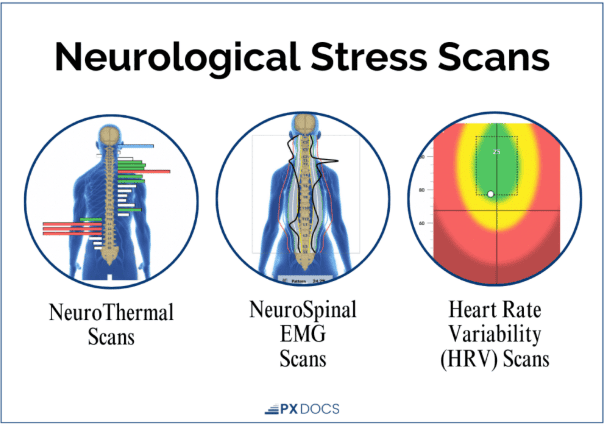
To better understand how a child’s nervous system is functioning, trained chiropractors may also use INSiGHT Scans. These non-invasive assessments provide objective information about patterns of nervous system function and help guide individualized care.
The goal isn’t to replace appropriate medical treatment.
It’s to support the nervous system so the child has a stronger foundation for regulation, development, and recovery.
Empowering Families to Embrace Hope and Healing
PANDAS can leave families feeling confused, exhausted, and unsure where to turn next.
If your child has experienced sudden changes in behavior, OCD, tics, anxiety, sensory challenges, sleep problems, or other neurological symptoms following an infection, you’re not alone.
The most important first step is understanding what may be happening and building the right team around your child.
Medical care, therapies, nutrition, lifestyle changes, and neurologically focused care can all have a place in a comprehensive approach.
At Inspire Chiropractic, our goal is to help families understand the nervous system piece and provide drug-free care that supports the body’s ability to regulate and adapt.
You don’t have to choose between approaches.
Sometimes the missing piece is understanding how they can work together — and addressing the nervous system foundation along the way.
If you’re looking for a Neurologically-Focused Pediatric + Family Chiropractor, connect with Inspire Chiropractic to learn more about our approach and how we can support your family’s health journey.
Not local to Inspire? Don’t worry! Visit the PX Docs Directory to find a qualified provider near you. https://pxdocs.com/px-docs/
Original Article: https://pxdocs.com/pandas-pans/what-is-pandas-disorder/
PX Docs has established sourcing guidelines and relies on relevant, and credible sources for the data, facts, and expert insights and analysis we reference. You can learn more about our mission, ethics, and how we cite sources in our editorial policy.
SOURCES
- PANDAS Network. (n.d.). PANDAS statistics. Retrieved from https://pandasnetwork.org/get-involved/statistics/
- PubMed Central. (2023). Understanding PANDAS and its genetic link. Retrieved from https://pmc.ncbi.nlm.nih.gov/articles/PMC10818999/
- PANDAS Network. (n.d.). Is PANDAS hereditary or genetic?. Retrieved from https://pandasnetwork.org/pandas-hereditary-or-genetic/
- Brainsway. (n.d.). Link to sudden onset OCD and PANDAS disorder in children. Retrieved from https://www.brainsway.com/knowledge-center/link-to-sudden-onset-ocd-and-pandas-disorder-in-children/
- Washington University School of Medicine. (2020). 1 in 4 kids who get antibiotics in children’s hospitals are prescribed the drugs incorrectly. Retrieved from https://medicine.washu.edu/news/1-in-4-kids-who-get-antibiotics-in-childrens-hospitals-are-prescribed-the-drugs-incorrectly/