
Updated on Nov 10, 2025
Author: Dr. Tony Ebel, DC, CPPFC, CCWP
Revised for Inspire Chiropractic by Davis Madole, Reviewed by Dr. Shah Khan DC, CACCP
Let me guess — your child’s pediatrician keeps saying, “They’ll grow out of it,” but your gut tells you something deeper is going on.
As parents, it’s hard watching your child struggle with things like digestive issues, sensory challenges, ADHD, anxiety, sleep problems, chronic illness, or developmental delays while still not getting real answers.
Today, more children than ever are dealing with chronic health challenges. And while many of these conditions may seem unrelated, there’s often one common thread underneath them all:
Nervous system dysfunction.
One term commonly used in chiropractic to describe this dysfunction is subluxation.
If you’re searching for “subluxation” after hearing about a shoulder or joint injury, it’s important to know there are two different meanings of the word. In medicine, a subluxation usually refers to a partial joint dislocation caused by trauma. In chiropractic, vertebral subluxation refers to dysfunction within the spine and nervous system that can interfere with how the brain and body communicate.
In this article, we’ll explain what chiropractic subluxation is, how it develops, how it may affect your child’s health and development, and how Neurologically-Focused Chiropractic Care works to help restore better function and regulation.
Understanding the Two Definitions of Subluxation
In medicine, a subluxation is a partial dislocation of a joint, often caused by an injury or accident.
In chiropractic, vertebral subluxation refers to a pattern of dysfunction involving spinal movement, tension, alignment, and nervous system communication.
Rather than focusing only on bone position, Neurologically-Focused Chiropractors look at how the spine and nervous system are functioning together.
This type of subluxation may not always appear dramatically on imaging because the concern is functional stress and neurological imbalance — not simply structural damage.
Both definitions involve altered joint function, but they describe very different problems that require different approaches.
What Is Subluxation?
Subluxation refers to a pattern of stress and dysfunction within the neurospinal system that can interfere with proper nervous system communication.
It typically involves three key components:
Misalignment
Changes in spinal alignment and positioning.
Restricted Motion
Tension and fixation that reduce healthy movement and mobility.
Neurological Interference
Altered sensory input between the body and brain that can disrupt nervous system regulation.
When these patterns develop, the nervous system may struggle to communicate and regulate the body efficiently.
Because the nervous system controls everything from digestion and immune function to coordination, behavior, sleep, and emotional regulation, subluxation can affect far more than just physical discomfort.
In children, this often shows up less as pain and more as challenges with:
- Sensory processing
- Digestion
- Sleep
- Emotional regulation
- Coordination
- Developmental milestones
- Focus and attention
Why the Upper Neck Matters
The upper neck and brainstem region are especially important because they help regulate many vital body functions, including:
- Breathing
- Digestion
- Heart rate
- Immune function
- Sensory processing
- Motor control
This area is also closely connected to the vagus nerve and autonomic nervous system.
The autonomic nervous system has two major branches:
- The Sympathetic Nervous System (“fight or flight”)
- The Parasympathetic Nervous System (“rest and digest”)
When subluxation and nervous system stress disrupt this balance, children may become stuck in patterns of dysregulation known as dysautonomia.
What Causes Subluxation? Understanding “The Perfect Storm”
At Inspire, we often describe nervous system dysfunction as the result of a “Perfect Storm” — a buildup of physical, chemical, and emotional stressors over time.
Children are especially vulnerable because their nervous systems are still developing.
Prenatal Stress
Stress during pregnancy can influence fetal nervous system development. Elevated maternal stress hormones may impact how a baby’s brain and stress-response systems develop before birth.
Birth Stress & Trauma
Birth itself can place significant pressure on a baby’s head, neck, and nervous system.
Interventions like forceps, vacuum extraction, prolonged labor, or C-sections may increase stress on the upper neck and brainstem. Even routine births can create tension patterns that affect early nervous system regulation.
Many parents notice these babies later struggle with:
- Nursing difficulties
- Colic or reflux
- Sleep challenges
- Excessive crying or difficulty calming
Early Childhood Stressors
Additional stressors can continue affecting nervous system function after birth, including:
- Repeated ear infections
- Frequent antibiotics
- Digestive issues
- Chronic illness
- Sleep struggles
- Sensory overload
Over time, the nervous system may become stuck in fight-or-flight mode, making it harder for the body to regulate, heal, and adapt.
How Is Subluxation Diagnosed?
Medical providers diagnose structural joint subluxations using physical exams and imaging.
Neurologically-Focused Chiropractors use a different approach because they’re measuring nervous system function, not just structure.
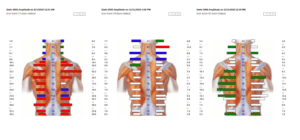
This includes INSiGHT Scans that evaluate:
NeuroThermal Scans
Measure patterns of stress and dysautonomia within the nervous system.
NeuroCore (sEMG)
Measures muscle tension, imbalance, and neurological stress patterns.
Heart Rate Variability (HRV)
Evaluates autonomic nervous system adaptability and regulation.
These scans help identify patterns of nervous system dysregulation that may not appear on traditional imaging.
Signs & Symptoms of Subluxation in Children
Subluxation and nervous system dysregulation can show up in many different ways.
Developmental & Neurological Signs
- Delayed milestones
- Poor coordination
- Sensory processing challenges
- Speech delays
- Difficulty focusing
- Emotional dysregulation
- Anxiety or mood swings
- Toe-walking or stimming behaviors
Physical Signs
- Chronic tension or discomfort
- Digestive issues like constipation or reflux
- Sleep struggles
- Frequent illness or allergies
- Bedwetting
- Poor posture or restricted movement
These signs don’t mean subluxation directly “causes” a condition. Instead, they may indicate the nervous system is struggling to regulate and function efficiently.
When Should You Seek Medical Care First?
If your child experiences a traumatic injury involving severe pain, visible deformity, loss of function, or head injury, immediate medical care is essential.
Medical providers are the appropriate first step for emergencies, fractures, complete dislocations, or acute trauma.
Neurologically-Focused Chiropractic Care addresses a different category of concerns — chronic nervous system stress, developmental challenges, sensory issues, digestive dysfunction, and long-standing dysregulation patterns.
Many families benefit from both approaches working together.
Our Approach to Subluxation
Neurologically-Focused Chiropractic Care is designed to support better communication between the brain and body.
Doctors use INSiGHT technology and detailed neurological assessments to identify patterns of stress and dysregulation within the nervous system.
Care is individualized to each child and may help support:
- Nervous system regulation
- Sensory processing
- Sleep quality
- Emotional adaptability
- Coordination and development
- Overall healing capacity
Adjustments are gentle, specific, and tailored to the child’s age and neurological needs.
What to Expect During the Healing Process
Healing is often gradual and happens from the inside out.
Many families notice small wins first:
- Better sleep
- Fewer meltdowns
- Improved digestion
- Better focus
- More emotional regulation
Over time, larger developmental and health changes may follow as the nervous system becomes more adaptable and regulated.
Every child’s healing journey is different, depending on factors like stress history, nervous system imbalance, and overall health.
Frequently Asked Questions About Subluxation
What’s the difference between subluxation and dislocation?
A dislocation is when a joint fully separates. A subluxation is a partial disruption in joint function. In chiropractic, vertebral subluxation refers specifically to neurological dysfunction within the spine.
Can subluxation be seen on X-rays?
Medical subluxations often can. Neurological subluxation patterns may not show clearly on imaging because they involve nervous system function more than structural damage.
Is there research supporting chiropractic care?
Research continues to explore how chiropractic adjustments affect brain function, sensory processing, and nervous system regulation. Studies show adjustments can influence areas of the brain involved in autonomic regulation and sensory integration.
Empowering Your Child’s Health Through Nervous System Care
When the nervous system becomes overwhelmed and dysregulated, children may struggle physically, emotionally, behaviorally, and developmentally.
Understanding subluxation helps parents look deeper than symptoms alone.
At Inspire, Neurologically-Focused Chiropractic Care aims to support better nervous system regulation through safe, gentle, drug-free care that helps restore communication between the brain and body.
If your child is struggling with chronic stress, sensory challenges, developmental delays, digestive issues, or nervous system dysregulation, it may be time to explore whether subluxation and nervous system stress are part of the bigger picture.
Because when the nervous system functions better, the body often does too.
Request an appointment with us today to get started!
Not local to Inspire? Don’t worry! Visit the PX Docs Directory to find a qualified provider near you. https://pxdocs.com/px-docs/
Original Article: https://pxdocs.com/subluxation/what-is-subluxation/
PX Docs has established sourcing guidelines and relies on relevant, and credible sources for the data, facts, and expert insights and analysis we reference. You can learn more about our mission, ethics, and how we cite sources in our editorial policy.
SOURCES
- Centers for Disease Control and Prevention (CDC). (2023, September 15). Managing chronic health conditions in schools. CDC. https://www.cdc.gov/healthyschools/chronicconditions.htm
- American Psychological Association (APA). (2023, November 1). Maternal stress during pregnancy linked to child behavior problems. APA. https://www.apa.org/news/press/releases/2023/11/maternal-stress-behavior-problems
- Petersen, I., Zunszain, P. A., & Pariante, C. M. (2020). The role of inflammation in depression and fatigue during the COVID-19 pandemic. Journal of Psychosomatic Research, 139, 110288. https://doi.org/10.1016/j.jpsychores.2020.110288